September 2, 2026
A full-service auto repair shop offers far more than basic maintenance tasks like routine oil changes. Modern automobiles are intricate computerized machines containing miles of wiring, delicate sensors, and highly sophisticated mechanical assemblies that demand specialized expertise. These full-service facilities provide an extensive suite of advanced automotive solutions designed to preserve structural integrity, maximize performance, and prolong operational lifespan. Relying solely on quick-lube locations often leaves critical hidden systems overlooked, increasing the likelihood of sudden mechanical breakdowns on the highway. Partnering with a dedicated auto repair shop ensures every major system receives thorough inspections, preventative care, and accurate technical adjustments.
Diagnosing Complex Vehicular Electronics
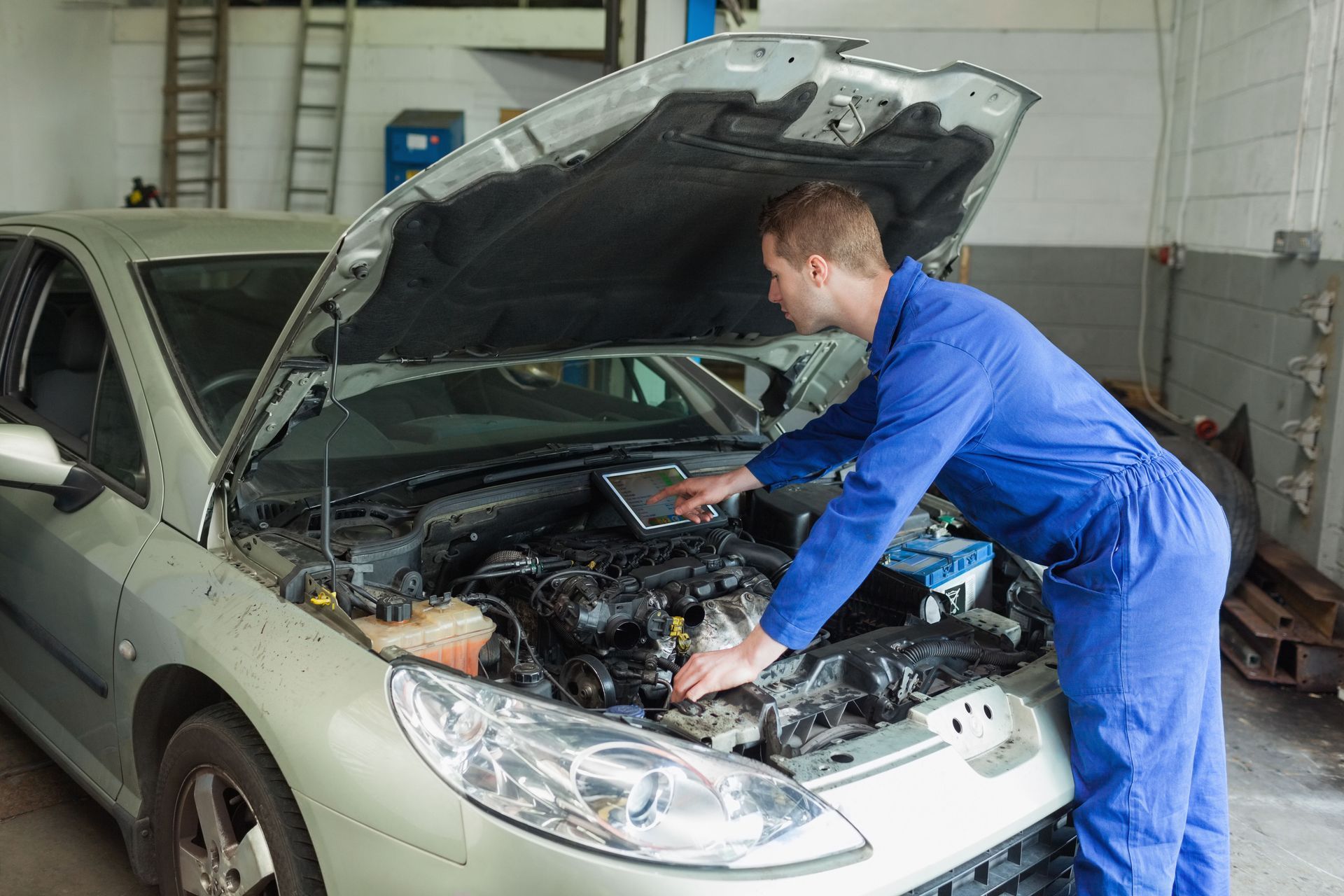
Full-service auto repair shop facilities invest heavily in state-of-the-art diagnostic equipment, software scanners, and digital oscilloscopes. Modern vehicle networks rely on dozens of interconnected microprocessors communicating via control network buses. When an electronic control module detects a fault, simple physical inspection rarely reveals the root cause. Advanced diagnostic scanners pull specialized trouble codes, real-time sensor streams, and freeze-frame data, allowing certified automotive technicians to isolate failing electrical actuators, damaged wiring looms, or erroneous microcontrollers rapidly and precisely.
Experienced technicians bring unmatched practical knowledge and analytical skills to every diagnostic challenge. Continuous vocational training ensures these professionals stay updated on evolving powertrain architectures, hybrid drivetrains, and complex electronic safety features. Rather than simply replacing parts until a symptom disappears, skilled diagnostic specialists systematically evaluate electrical schematics, test circuit resistance, and confirm mechanical integrity. This systematic methodology saves vehicle owners significant expense by ensuring that only genuinely defective components are repaired or replaced.
Accurate diagnostics serve as the foundational bedrock for all successful automotive repair decisions. Identifying minor sensor drift or subtle vacuum leaks early prevents engine misfires, poor fuel economy, and severe long-term engine wear. Furthermore, proactive diagnostic scans frequently reveal hidden electrical faults before they leave drivers stranded on dark roadways. Utilizing specialized electronic diagnostic techniques safeguards vehicle health while ensuring long-term driving safety across all driving conditions.
Maintaining Vital Brake Components
The braking system represents a vehicle's primary safety mechanism, requiring precise hydraulic and mechanical maintenance. Warning signs that service is needed include high-pitched squeaking, harsh metallic grinding, a spongy foot pedal, steering wheel vibration while slowing, or increased stopping distances. Bringing your vehicle to an established auto repair shop at the first sign of abnormal braking behavior is essential. Ignoring minor brake wear dramatically increases stopping distances and damages expensive mechanical rotors, creating severe safety risks on high-speed roadways.
A vehicle's braking system involves intricate interaction between hydraulic lines, brake fluid, master cylinders, brake calipers, friction pads, and steel rotors. Modern vehicles also incorporate anti-lock braking modules and electronic stability control systems that depend on precise hydraulic pressure. Standard friction pads naturally wear down over operational miles, releasing dust and heat. Master technician inspections evaluate pad friction thickness, measure rotor surface variation with micrometers, check hydraulic brake lines for corrosion or leaks, and test system operating pressure to maintain maximum stopping authority.
Comprehensive brake maintenance extends well beyond simple friction pad replacements. Technicians routinely flush degraded hydraulic fluid containing absorbed water moisture to prevent internal corrosion and fluid vapor lock under heavy braking conditions. Technicians clean and lubricate caliper slide pins to prevent uneven pad wear and drag, and properly recalibrate electronic parking brake systems using diagnostic scan tools. Systematic brake upkeep minimizes stopping distances, prevents premature component warping, and ensures predictable emergency stopping performance under challenging weather conditions.
Servicing Essential Power Transmissions
Understanding a vehicle's transmission system is essential for identifying and addressing power delivery issues early. Transmissions contain complex planetary gear sets, hydraulic valve bodies, torque converters, and electronic solenoids designed to transfer internal combustion engine power to driving wheels smoothly. Faulty gearboxes manifest through erratic gear shifts, slipping acceleration, transmission fluid leaks, or high operating temperatures. Specialist technicians utilize specialized pressure gauges and electronic interface tools to evaluate internal fluid hydraulics and torque converter lockup operations precisely.
Transmission fluid serves multiple critical roles as a hydraulic actuator, gear lubricant, and thermal coolant inside the transmission assembly. Over thousands of driving cycles, high thermal loads shear down fluid viscosity while metal micro-particles collect within internal passages. Neglecting periodic fluid flushes leads to thermal oxidation, internal valve sticking, delayed gear engagement, and catastrophic clutch friction failure. Regular fluid exchanges remove suspended contaminants and replenish critical chemical additives, protecting metallic gear teeth from friction scoring and premature failure.
When severe transmission issues arise, skilled technicians evaluate whether component repair or full replacement offers the best long-term value. According to AAA (April 2025), AAA received over 27 million emergency roadside service calls across the United States in 2024, with the majority of vehicles requiring towing (roughly 13 million) or experiencing battery issues (approximately 7 million), combined accounting for roughly 74% of total calls and eclipsing flat tires and lockouts. Early detection during routine service significantly lowers the chances of becoming part of those towing statistics.
Optimizing Engine Reliability and Power
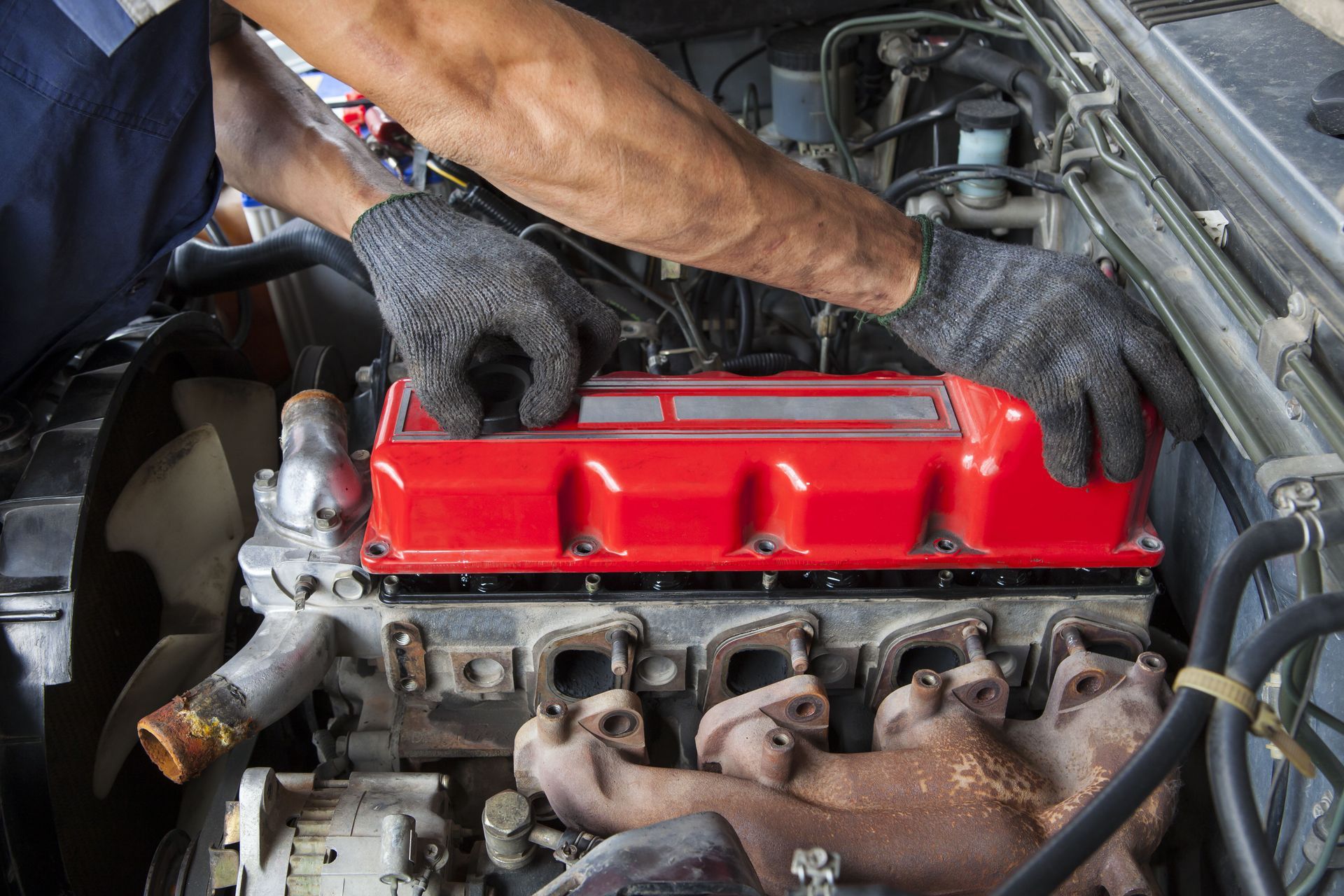
Internal combustion engines are intricate thermodynamic machines requiring continuous lubrication, cooling, and air management. Common failure points include coolant leaks leading to thermal overheating, failed valve cover gaskets causing oil loss, worn timing belts, and fouled fuel injectors. A full-service auto repair shop provides targeted maintenance solutions that prevent internal component destruction. Routine replacement of worn timing belts, drive belts, water pumps, and cooling hoses prevents sudden mechanical failures that destroy engine cylinder heads and pistons.
Engine longevity depends directly on strict adherence to scheduled preventative maintenance services. Synthetic oil changes eliminate internal sludge buildup, protect camshaft bearings, and lubricate high-speed turbocharger shafts. Replacing air and fuel filters ensures optimal air-fuel combustion ratios, maximizing fuel efficiency while protecting internal cylinder walls from microscopic dirt abrasion. Certified mechanics analyze engine spark plug firing patterns and exhaust emissions output to verify proper combustion chamber operation and maintain engine output power.
Advanced diagnostic tools combined with precision mechanical repair techniques can breathe new operational life into aging engine assemblies. When engines suffer internal damage, experienced technicians perform compression tests and cylinder leak-down tests to pinpoint exact internal seal failures. Repair options like replacing cylinder head gaskets, replacing timing chains, or rebuilding valve trains restore compression and horsepower without requiring complete engine replacements, maximizing motor vehicle service lifespans economically.
Resolving Electrical and Steering Failures
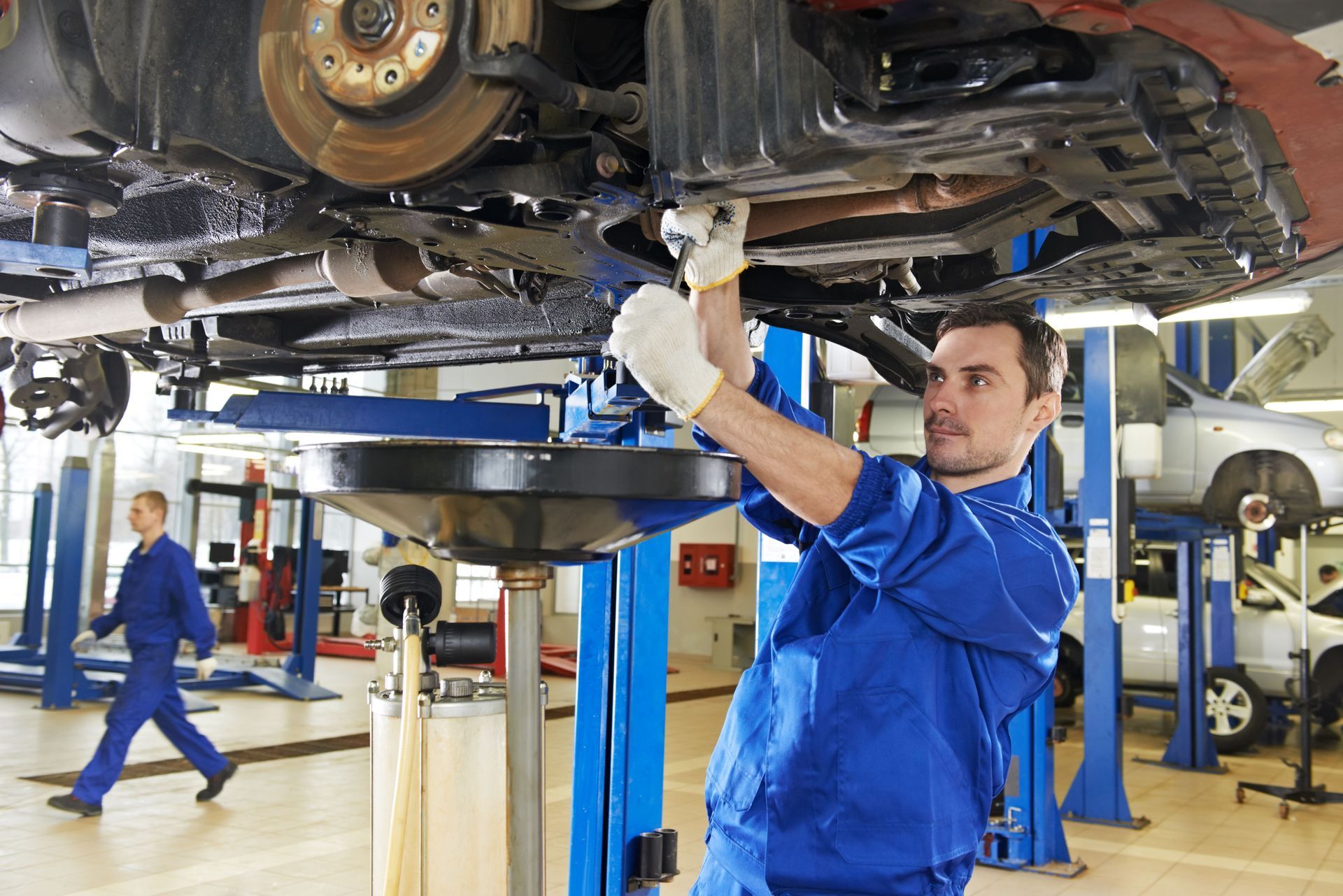
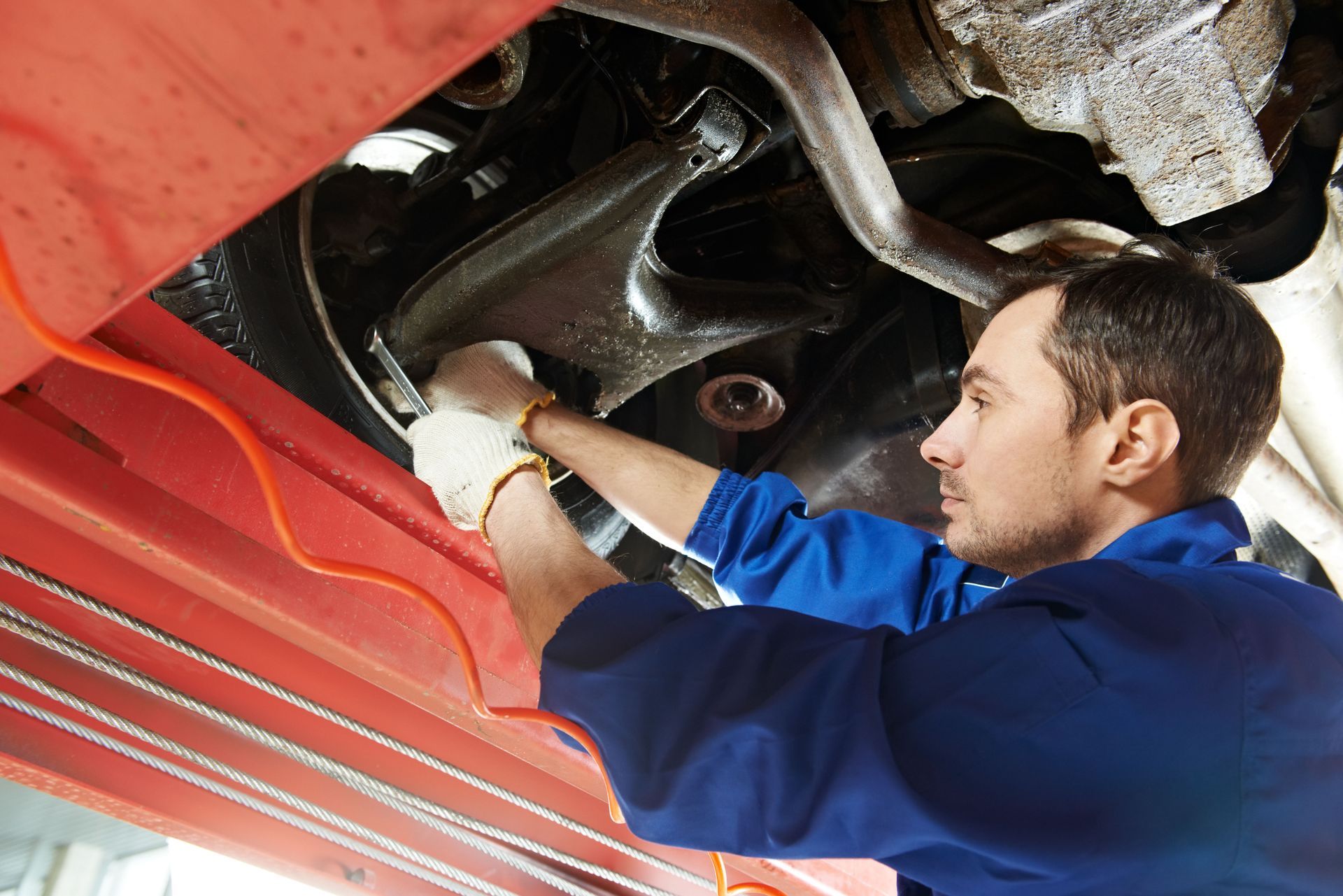
Vehicle steering and suspension systems maintain physical tire contact with the road while isolating passengers from road shock. Worn shock absorbers, loose ball joints, damaged control arm bushings, or bent tie rods cause uneven tire wear, unstable high-speed handling, vehicle drifting, and severe steering wheel vibration. Comprehensive auto facilities utilize digital laser wheel alignment racks and specialized suspension lift systems to measure chassis geometry, adjust wheel camber and toe settings, and replace worn suspension struts to restore factory ride comfort and handling stability.
Modern electrical networks power critical starting systems, exterior LED lighting, digital dashboards, climate controls, and advanced driver-assistance active safety cameras. Starters, heavy-duty alternators, and storage batteries work together to maintain stable system voltage. Corroded battery terminals, slipping drive belts, or degraded alternator diodes disrupt power delivery, causing sudden electrical shutdowns or dead battery failures. Systemic electrical testing evaluates battery cold-cranking amps and charging system output ripple voltage, ensuring consistent electrical reliability across all operating seasons.
A trusted full-service auto repair shop provides the technical expertise, specialized equipment, and preventative maintenance strategies necessary to keep modern vehicles operating safely, efficiently, and reliably. By addressing complex mechanical systems, electronic controls, hydraulic brakes, and precision drivetrains before catastrophic failures occur, vehicle owners protect their investment and avoid costly emergency breakdowns. For more information about the services that we offer, reach out to our incredible team at Tri-County Firestone Service Center today!